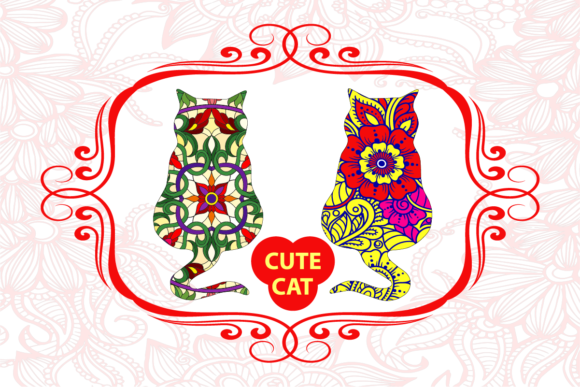
Cat Coloring Book for Kids: Graphics and Coloring Pages Amp
As a graphic designer working with small businesses, handmade brands, and creative marketplaces, I often seek out design assets that can elevate a project without overwhelming it. The Cat Coloring Book for Kids caught my attention as a potential asset for a client’s seasonal campaign. Its stylized, colorful doodles offer a playful tone that could work well in a variety of design contexts.
First Impressions: Playful and Expressive
The Cat Coloring Book for Kids immediately conveys a sense of fun and whimsy. The illustrations are bold, expressive, and filled with personality. Each cat is drawn with a unique flair, making the collection feel dynamic rather than repetitive. This kind of visual energy is perfect for projects targeting children or families, but it also has broader appeal for creative designers looking to add a touch of charm to their work.
As a digital product, the Cat Coloring Book for Kids feels like a solid addition to any design bundle. It offers a range of images that can be adapted for different applications, from social media graphics to printable wall art. The color palette is vibrant but not garish, which makes it versatile for both modern and traditional design styles.
Real-World Design Applications
When considering how the Cat Coloring Book for Kids might fit into real client projects, several use cases come to mind. For a handmade business launching a new line of pet-themed merchandise, this asset could serve as a base for t-shirt designs, tote bags, or sticker sets. Its stylized nature would pair well with a quirky, approachable brand identity.
In packaging design, the Cat Coloring Book for Kids could be used as a decorative accent on product labels or as part of a themed collection. For a boutique product line focused on children’s items, these illustrations could help create a cohesive look across multiple touchpoints, from website graphics to in-store displays.
For a print-on-demand seller, the Cat Coloring Book for Kids could be a valuable resource for creating custom designs. Whether it’s for an Etsy product or a Canva template, the asset provides a ready-made foundation that can be easily customized to suit different needs.
Best Use Cases: Large Layouts and Themed Campaigns
The Cat Coloring Book for Kids shines in large layout areas where its bold illustrations can take center stage. As a hero graphic for a seasonal campaign, it could add visual interest to a poster, flyer, or social media post. Its vibrant colors and playful style make it ideal for campaigns that aim to engage younger audiences or evoke a sense of nostalgia.
This design asset also works well in themed collections, such as a summer camp brochure or a holiday gift guide. Its versatility allows it to be integrated into various formats, including product mockups, editorial design, and web design. When used as part of a larger visual strategy, the Cat Coloring Book for Kids can help reinforce a brand’s personality and create a more memorable experience for the audience.
Caution: Avoid in Minimalist or Corporate Projects
While the Cat Coloring Book for Kids is a strong choice for many creative projects, it may not be suitable for all design directions. In minimalist branding or professional corporate materials, the asset’s busy details and bright colors could clash with the desired aesthetic. Similarly, in low-contrast designs or crowded layouts, the illustrations may become visually overwhelming.
For a small business aiming for a clean, modern look, the Cat Coloring Book for Kids might not align with the intended visual hierarchy. Instead, simpler, more restrained design elements would be more appropriate. However, for a brand that embraces a fun, expressive style, this asset could be a powerful tool for building emotional appeal and audience engagement.
Design Considerations: Testing and Compatibility
Before using the Cat Coloring Book for Kids in a client project, it’s important to test it in various scenarios. I recommend previewing the design at different sizes to ensure it remains legible and effective. Checking contrast on both light and dark backgrounds is also essential, especially if the asset will be used in web design or digital ads.
If the asset includes PNG or SVG files, inspecting transparency and vector editability is crucial. These details affect how the design can be adapted for different platforms and applications. For example, an SVG version would allow for easy resizing without loss of quality, making it ideal for Cricut projects or sublimation design.
When integrating the Cat Coloring Book for Kids into a design, consider how it interacts with other elements. Does it complement the chosen font style? Does it maintain a clear visual hierarchy? These questions help ensure that the final design feels polished and professional.
Commercial Use and Licensing
One of the most important factors when using any design asset for a client project is commercial licensing. Before incorporating the Cat Coloring Book for Kids into a commercial design, verify that the file comes with a valid license for the intended use. This is especially critical for print-on-demand sellers, Etsy products, or any digital product sold to end users.
As a designer, I always double-check the terms of use for any graphic design asset. This ensures that I’m not inadvertently violating copyright or licensing agreements. The Cat Coloring Book for Kids appears to be a legitimate commercial design asset, but it’s still wise to confirm its licensing details before moving forward with a client project.
Conclusion: A Fun and Functional Asset
The Cat Coloring Book for Kids is a versatile and engaging design asset that can enhance a wide range of creative projects. Its stylized, colorful illustrations offer a playful tone that resonates with both children and adults. Whether used in a handmade business, a seasonal campaign, or a digital product, this asset has the potential to add visual interest and emotional appeal.
For designers looking to expand their creative toolkit, the Cat Coloring Book for Kids is worth considering. With proper testing and thoughtful integration, it can contribute to a more dynamic and appealing design outcome. Just remember to evaluate its fit within the overall design direction and ensure it meets the needs of the target audience and project goals.